


Sandaliyah has long been an extremely popular fragrance in Sudan, Chad, Nigeria and Niger.
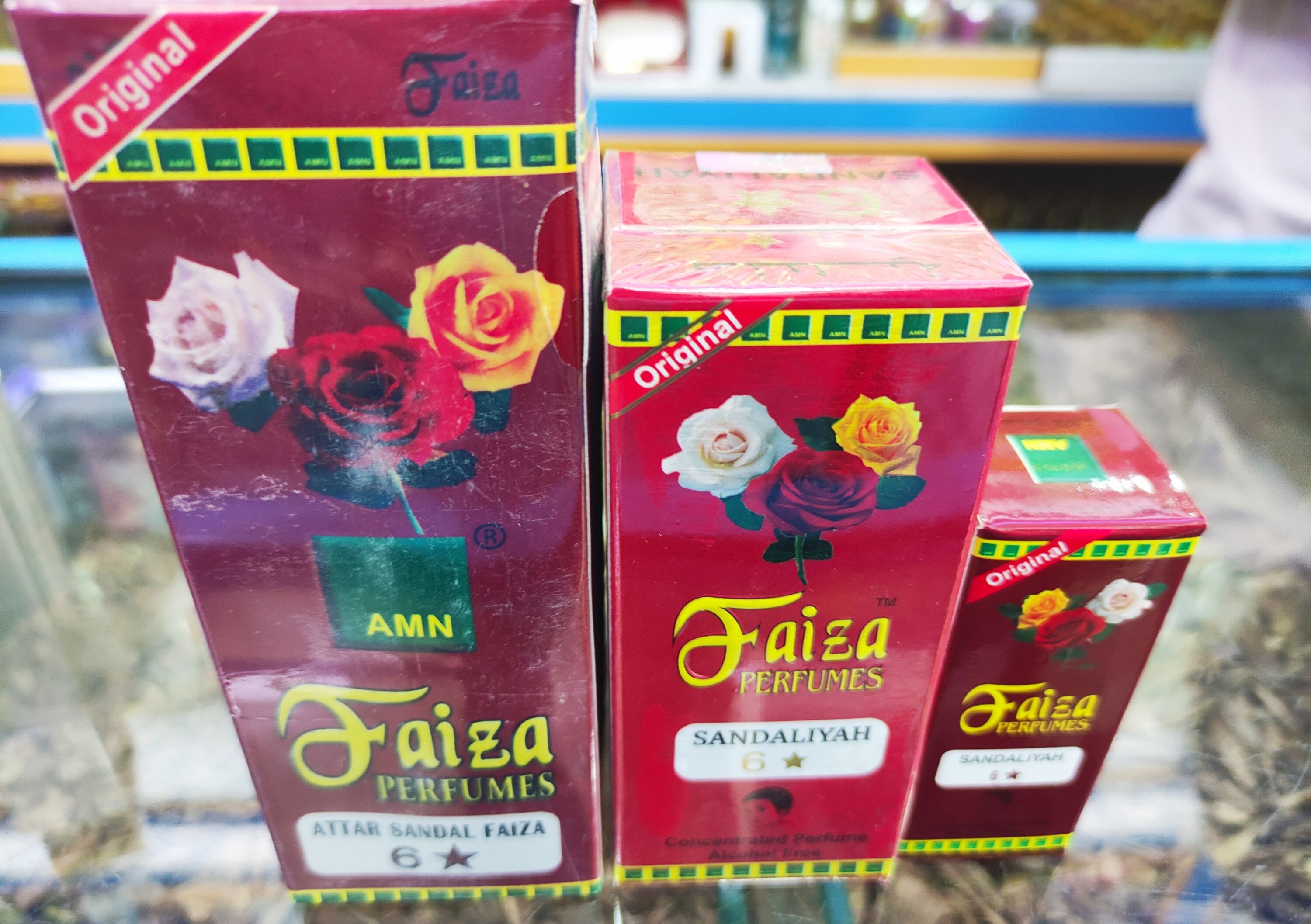
There are several manufacturers of a Sandaliyah composition – such as Faiza, Meso, Crown, Al Anoud and others – let me tell you about the first one. It’s made in India, so it’s popular both there and in the surrounding countries as well.
As you already realize from the name of Sandaliyah, it smells mainly of sandalwood. In Africa, Sandaliyah is used in traditional perfumes created by local women – for bakhoor, for soaps and body scrubs (dilka), and of course, to make fragrances for brides and married women (khumra), traditional and popular in Sudan and Chad. Over the years, women in Africa have used natural oils and attars to create distinctive compositions, which has become a traditional local art.
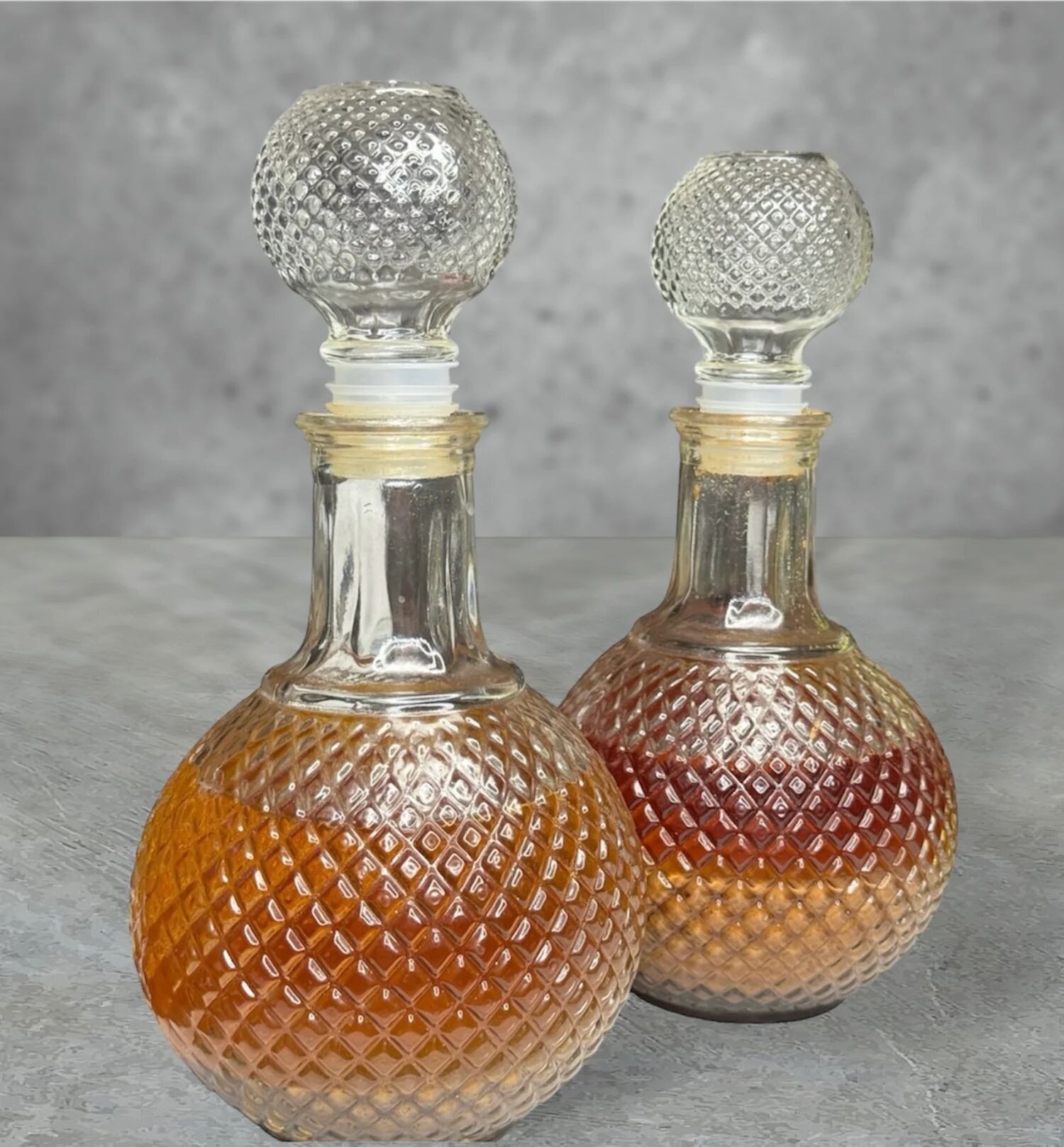
The classical way of creating khumra has been passed down from generation to generation by the women of Sudan. The base of the fragrance is usually sandalwood ground into a fine powder. Also, there may be added roasted shells (dufr in Arabic, onycha in English), spices (cloves, cinnamon, cardamom), mahleb (cherry kernels), musk and ambergris, also in powder form. According to the added materials, the fragrance is usually called Dufr Khumrah, Mahleb Khumrah, etc. Sandalwood oil and floral attars are then added to the powder mixture and infused for a long time.
In a more complex method, a paste is made from the powder, then smoked with sandalwood and oud smoke, after which musk powder, floral attars and French fragrances are added to the paste, and again infused. The amount of components varies, and depends on the tastes of the creator. Maceration is very important – the best types of khumra are aged for months or even years, and become more expensive over time.
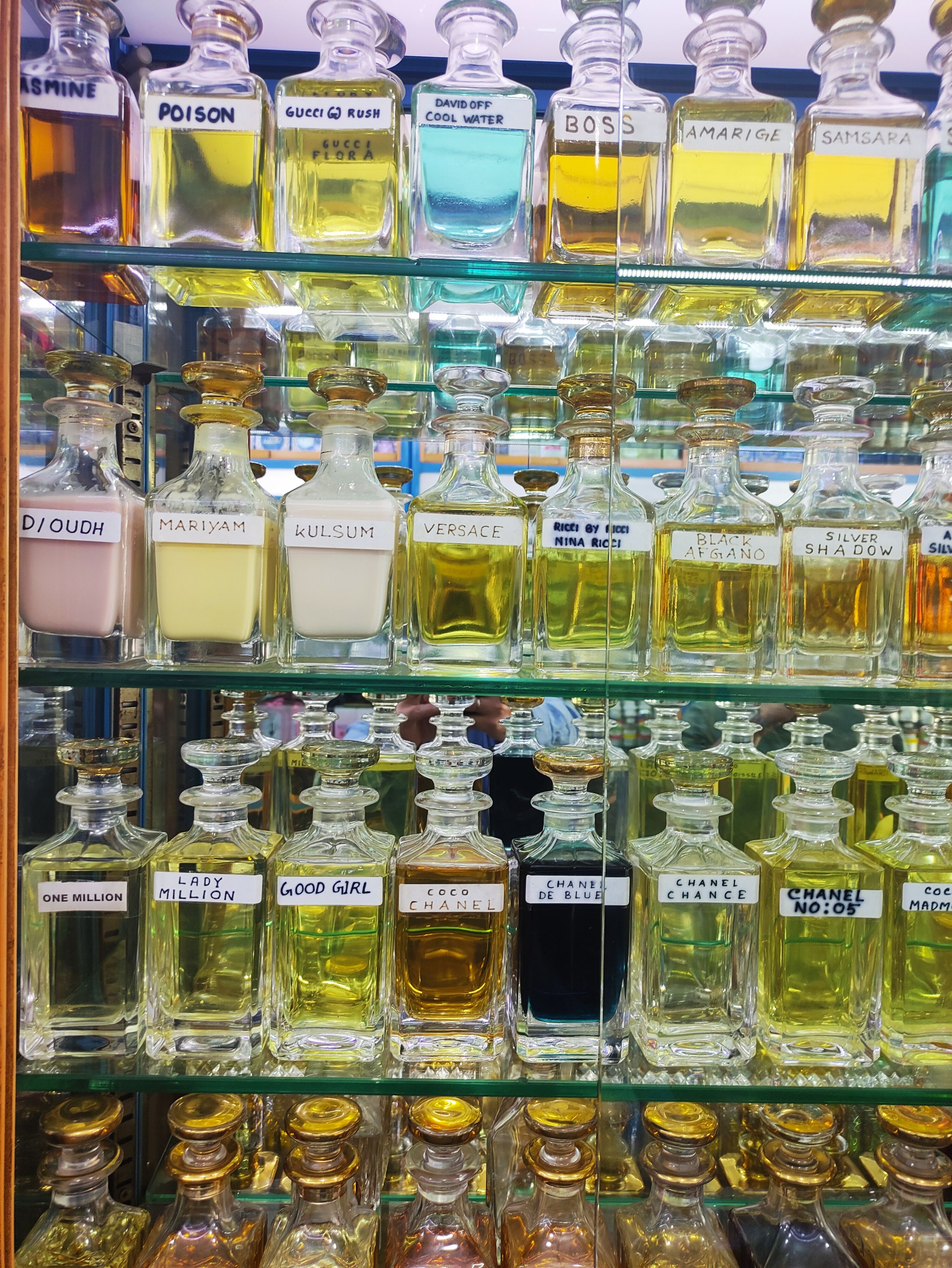
How did French compositions appear in the traditional Sudanese khumra recipe? During the colonization and control of Africa and the Middle East, European manufacturers gained a huge market for inexpensive colored fabrics and manufactured goods, as well as various fragranced products. And many of these, especially inexpensive fragrances, took root on the continent as a substitute for floral oils and attars. Especially since over time many of them began to be produced here, under license – in Syria, Egypt, Nigeria, Emirates and India.
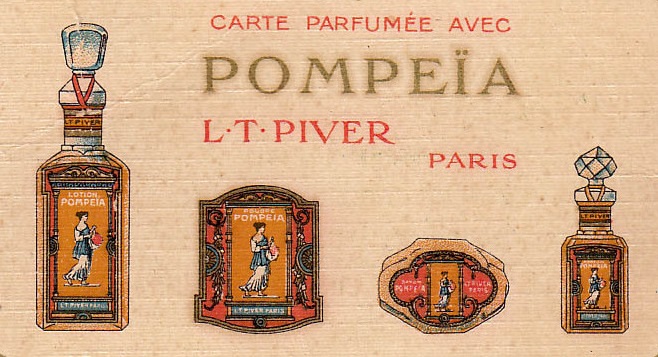
This explains, for example, the modern popularity in Africa of such ancient fragrances as Reve d`Or L.T. Piver (1889), Pompeia L.T. Piver (1907), Fleurs d`Amour Roger&Gallet (1902), Ramage Bourjois (1950), and other fragrances. Perhaps the main role in the choice of French fragrances is played by their “speaking names”: earlier Miguel wrote about such esoteric fragrances and their magical properties – Eau Celeste and Agua Divina E. Coudray. Another factor is that, as a rule, of all the French fragrances, oriental ones are chosen, with spicy, floral and amber accords.
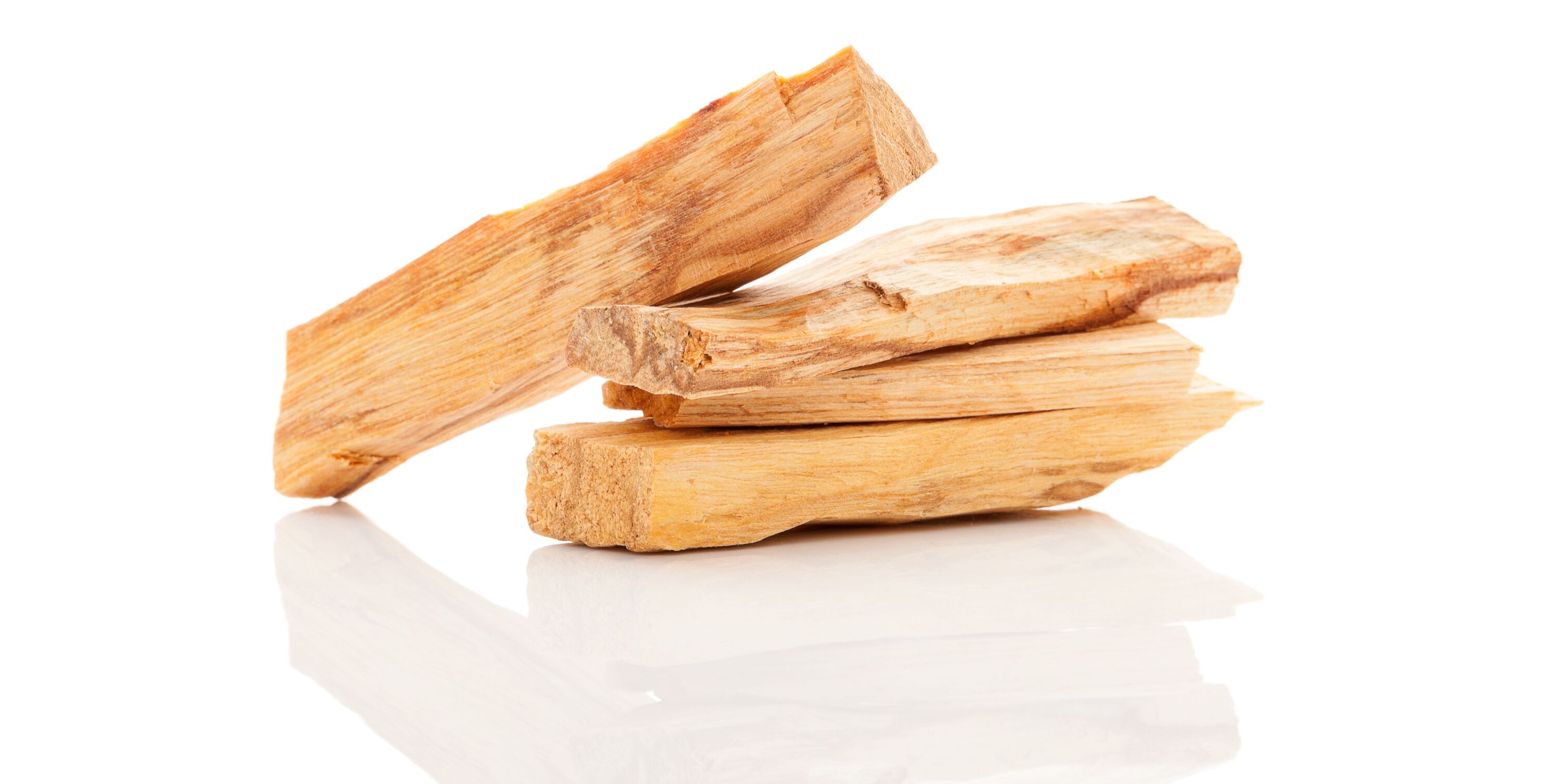
Sandaliyah fragrance was created to replace sandalwood oil in recipes of khumra, mukhallats and other traditional compositions. In modern conditions, now that Indian sandalwood oil has become extremely expensive, synthetic materials have come to the save the traditions – Sandaliah Faiza fragrance is 40% synthetic, the same amount of natural materials (the other 20% are perfume compounds). Translated into modern perfumery language, Sandaliah is a sandalwood perfume base which is available to end consumers. In India, for example, it is used for offerings to gods or for massage.
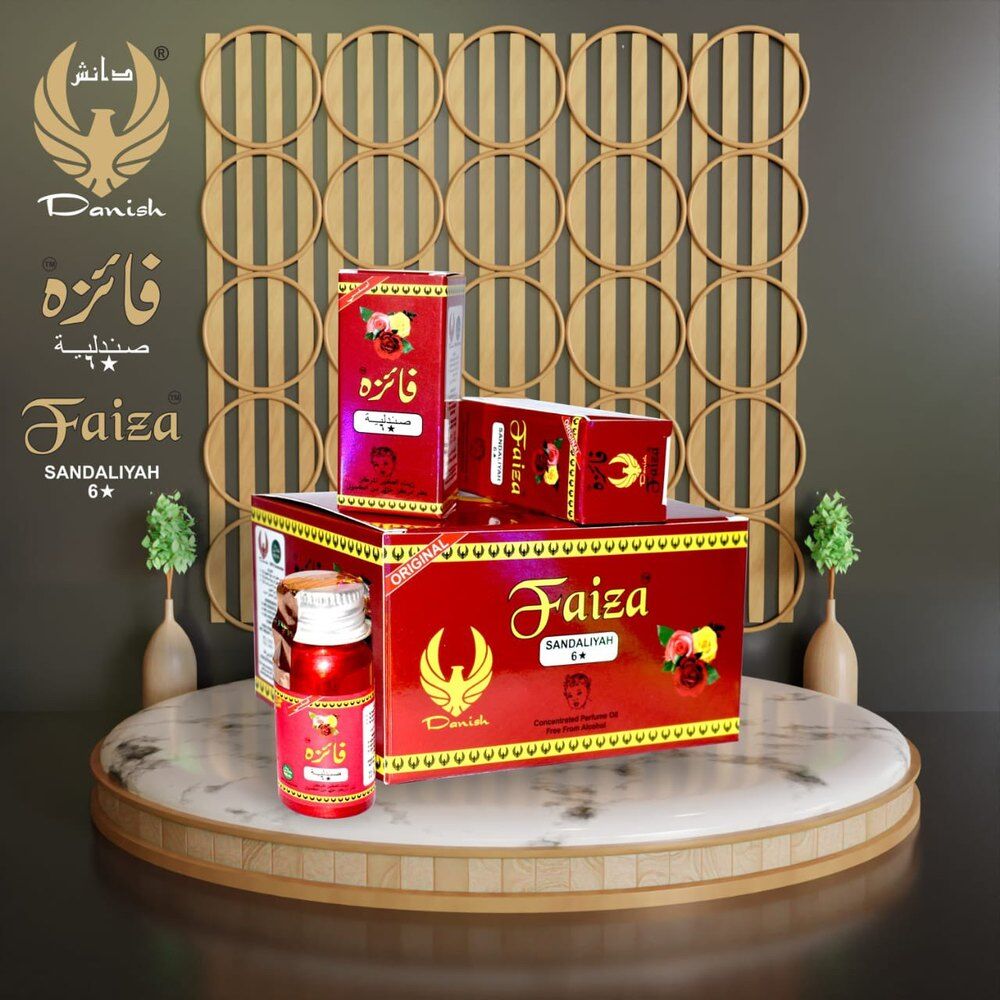
The substitute, it must be said, is quite decent: a warm woody scent with recognizable sandalwood, powdery and sweet amber tones. One cannot mistake it for cedar, oak or oud oils. However, in comparison with Mysore sandalwood oil produced under the state supervision of the Indian state of Karnataka and vintage sandalwood oil bottled in Dubai (Taher & Sons), the difference is immediately noticeable. Sandaliyah has no creamy edge, no light smokiness, its woody sweetness is quiet, and it`s not as bright. But it is not inferior in persistence or its sense of calm – at a price of only 30-35 dollars for 100 ml. It can be worn by itself, if you like soft woody-musky fragrances. However, it’s better to add bright colors – French perfume, for example.